Tea Types
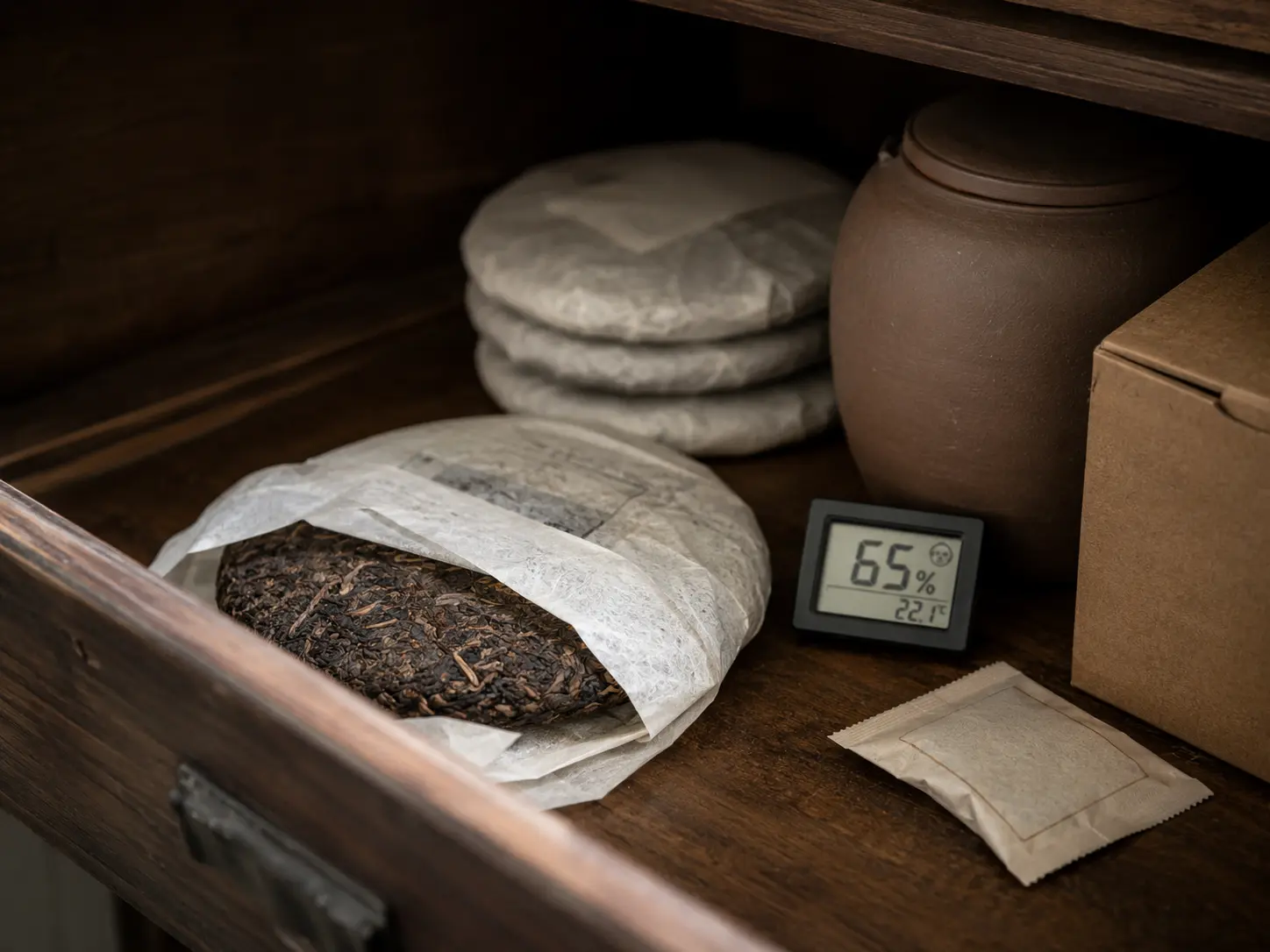
How to Store Pu-erh Tea at Home for Aging
How to store pu-erh tea at home for aging: the right humidity, temperature and air, what to keep it in, mistakes to avoid, and how to spot mold.
7 min read
Pu-erh, oolong, white, green and more — what makes each Chinese tea distinct.
How to store pu-erh tea at home for aging: the right humidity, temperature and air, what to keep it in, mistakes to avoid, and how to spot mold.
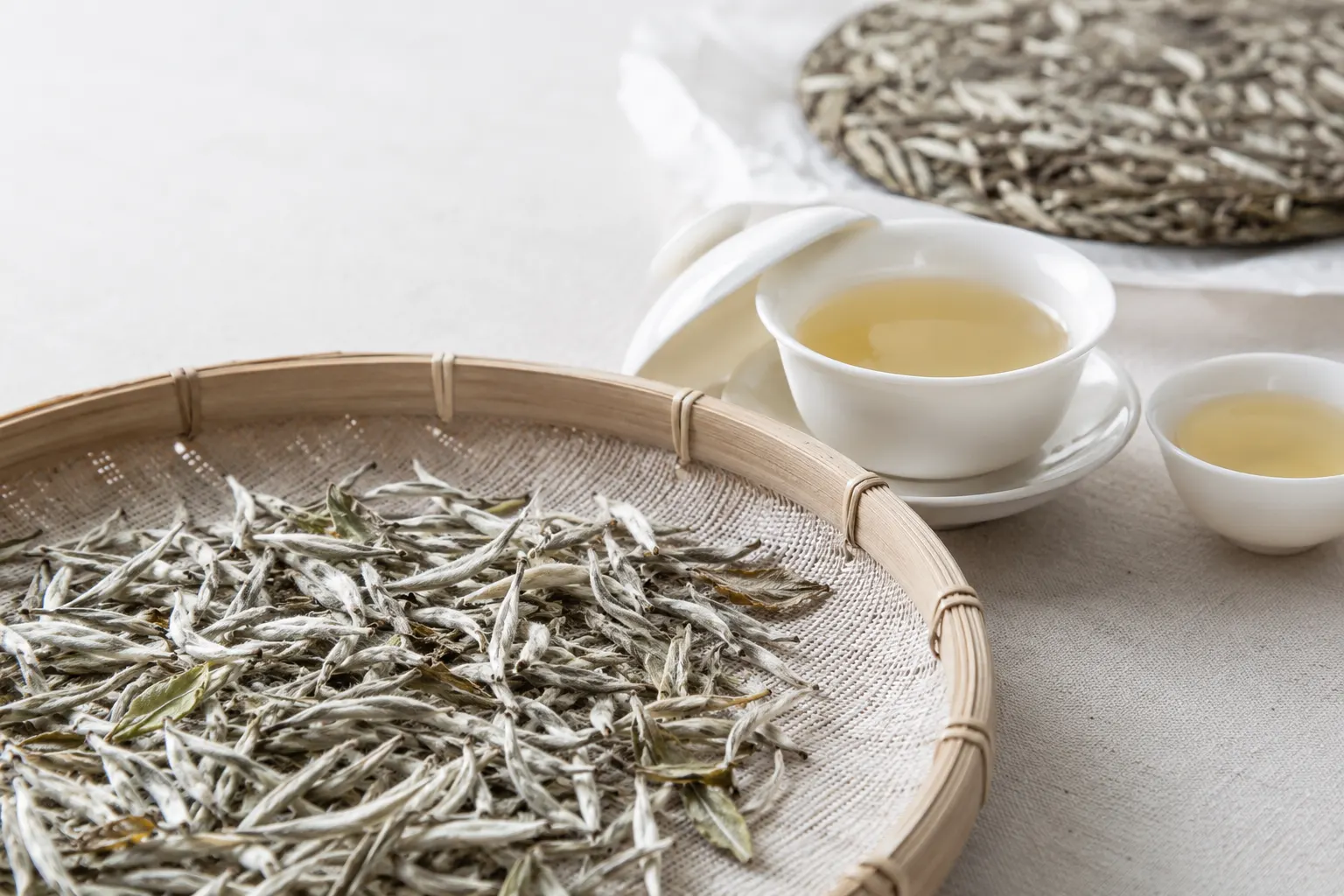
White tea explained: how the least processed Chinese tea is made, its grades from Silver Needle to Shou Mei, how it ages, and how to brew it well.
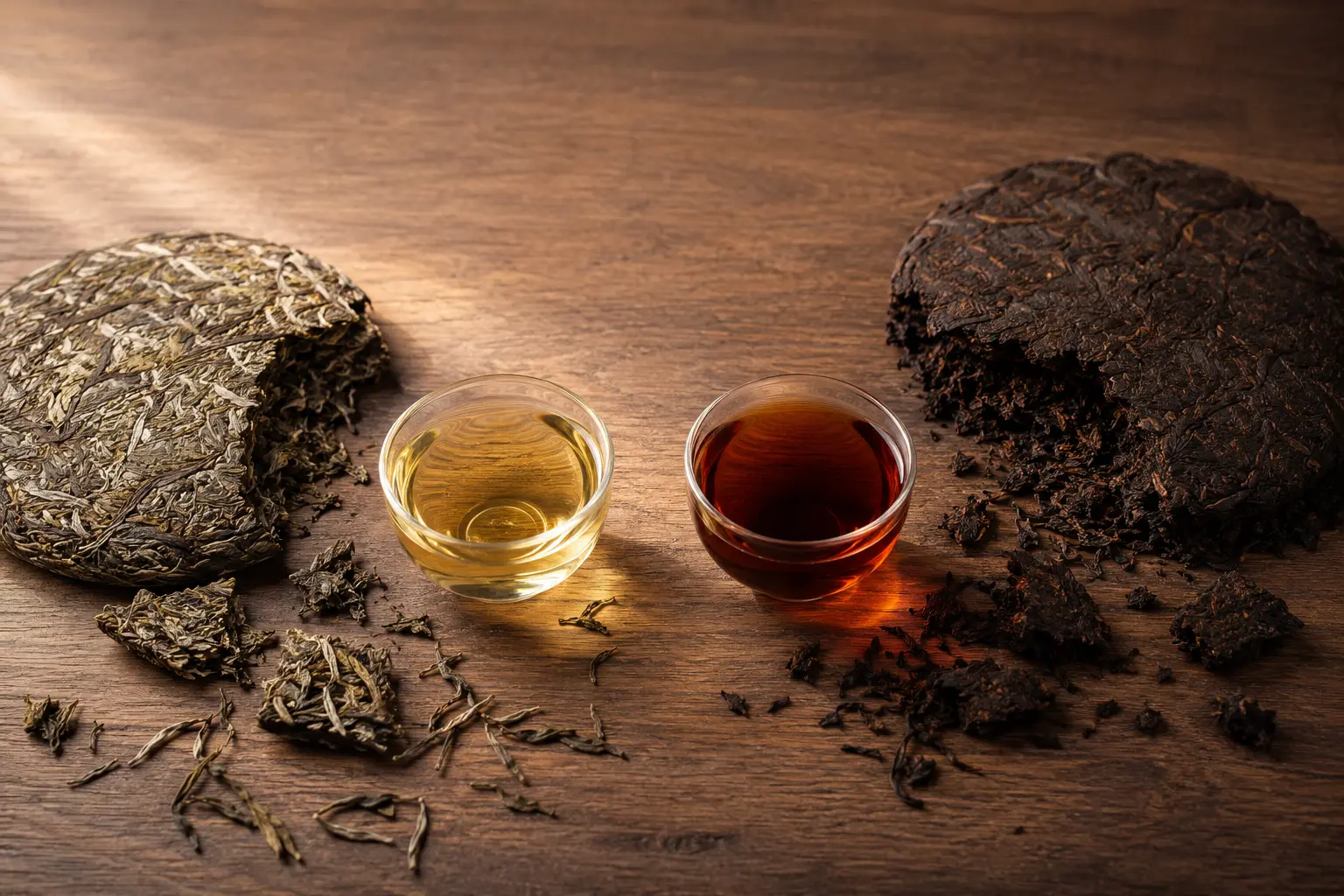
Raw (sheng) vs ripe (shou) pu-erh, explained: how to tell them apart by color, aroma and taste, how each ages, and which one to drink first.
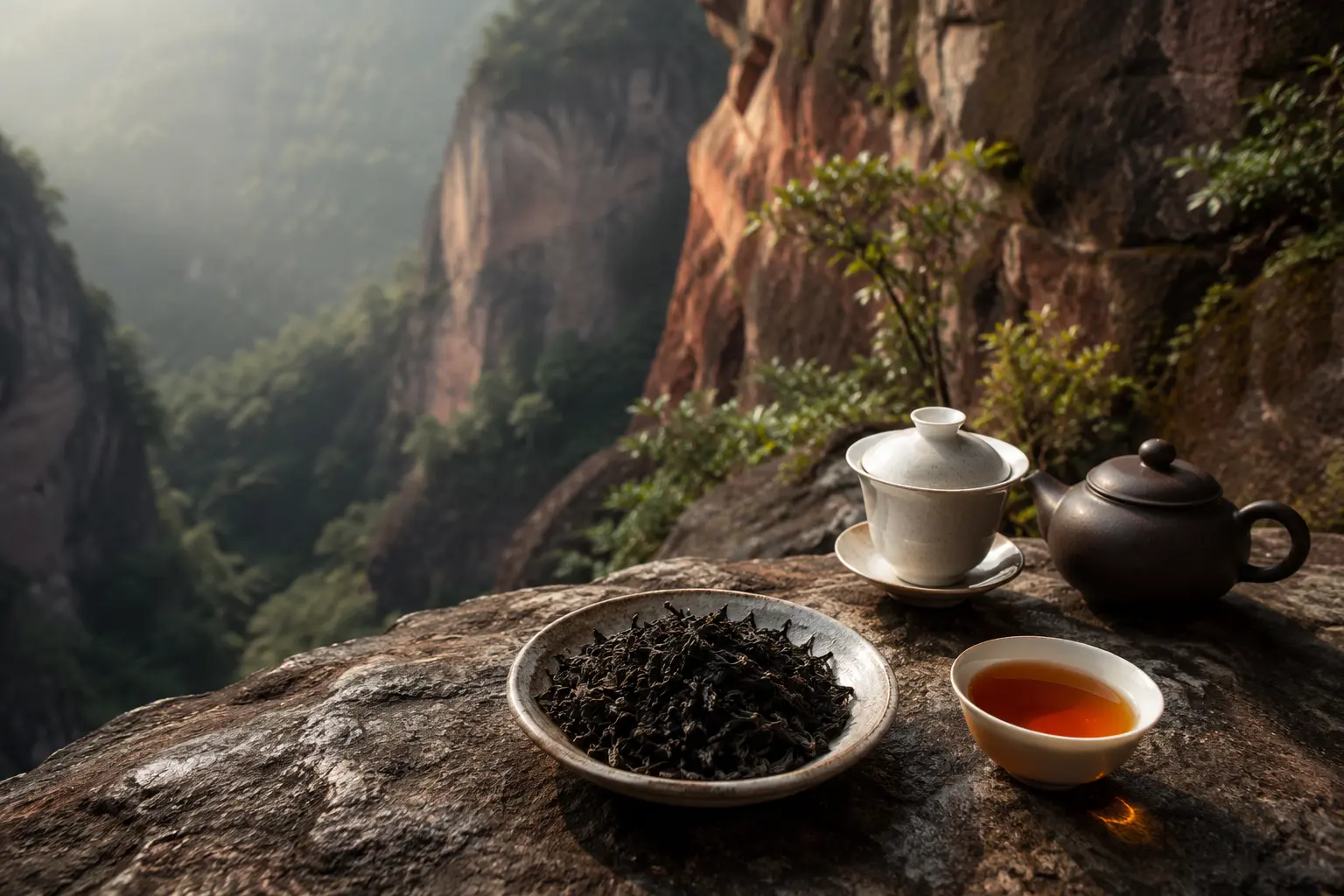
Wuyi rock oolong, or yancha, explained: rock rhyme, cliff-grown terroir, Da Hong Pao, Rou Gui and Shui Xian, charcoal roasting, and how to brew it.
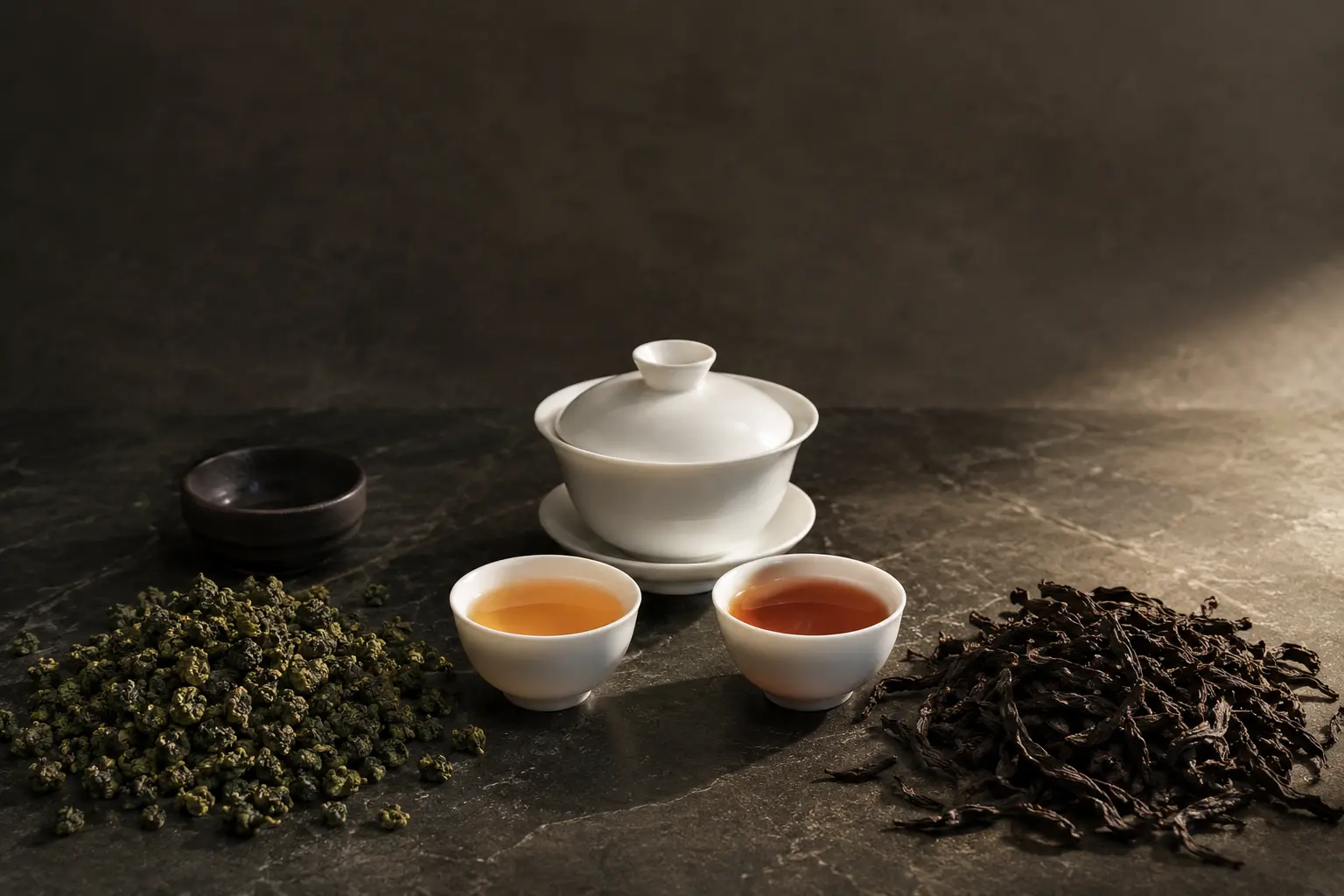
Oolong tea explained: how oxidation and roast run from floral Tieguanyin to roasted Wuyi rock tea — with the main types, flavors and brewing tips.
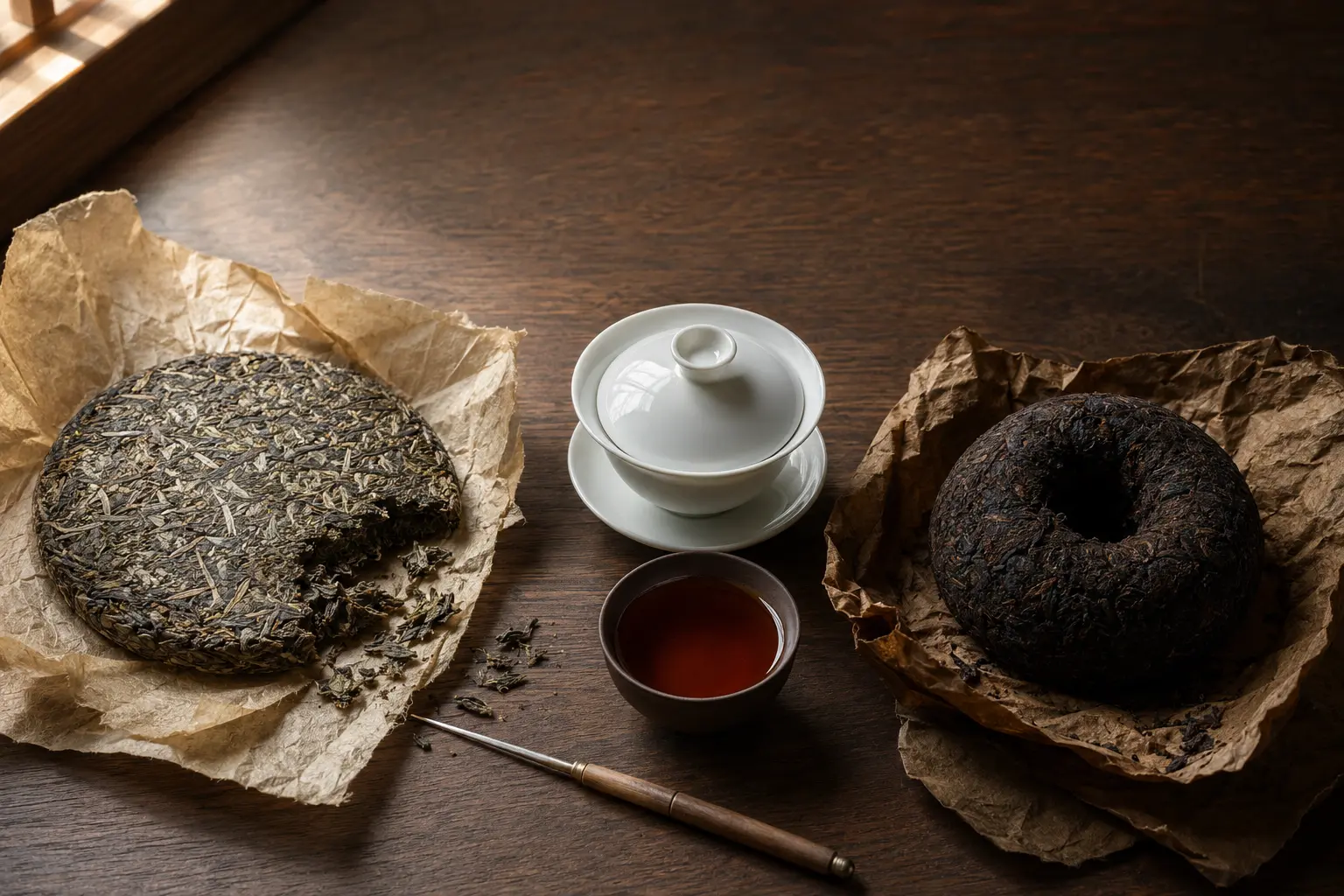
What is pu-erh tea? A plain-English guide to raw vs ripe pu-erh — how it's made and aged, what it tastes like, and how to brew your first cup.
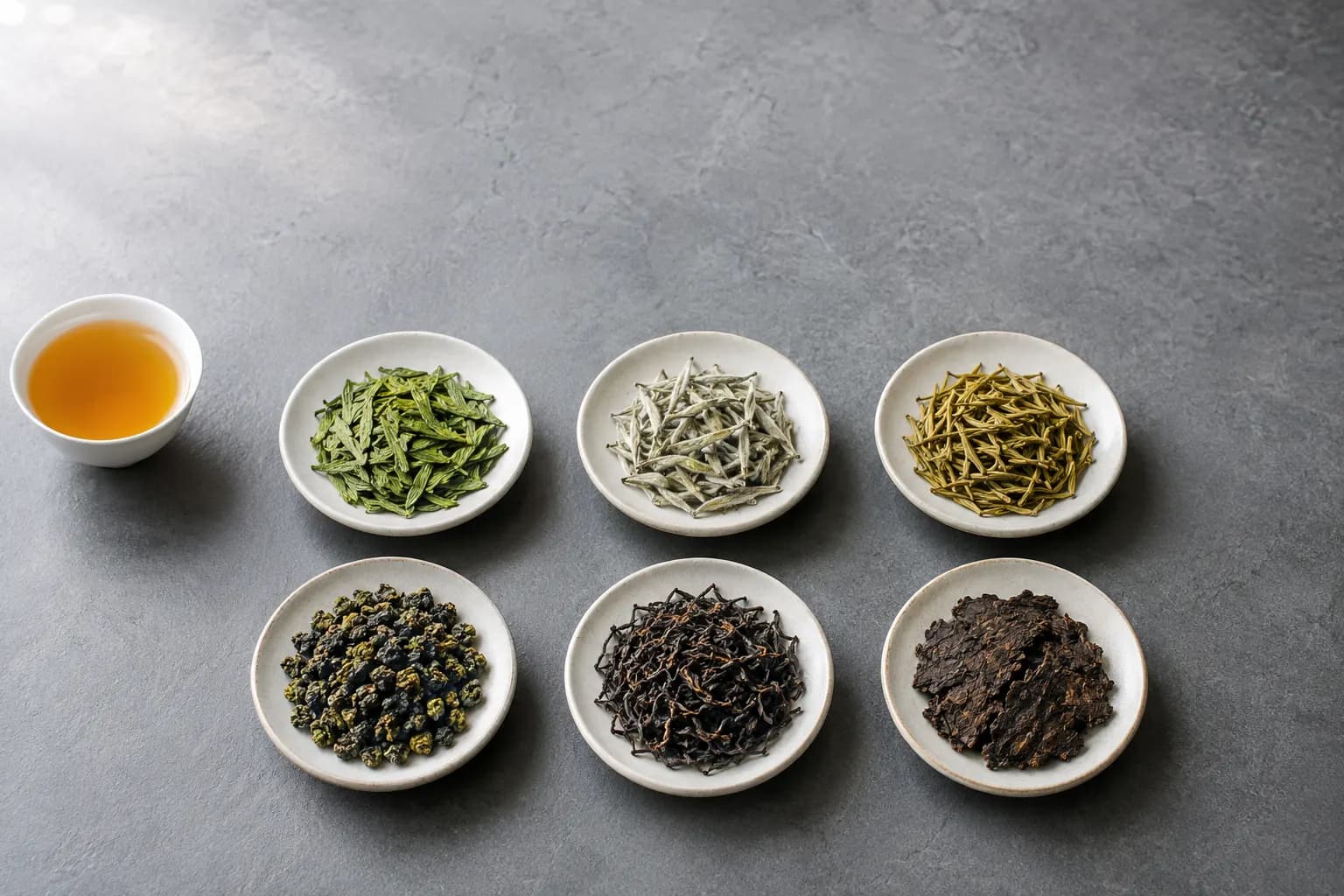
Green, white, yellow, oolong, black and dark — the six types of Chinese tea, explained by how each is made, with flavors, examples and brewing tips.